Non-Surgical Breast Enlargement
Return to the full category guide.
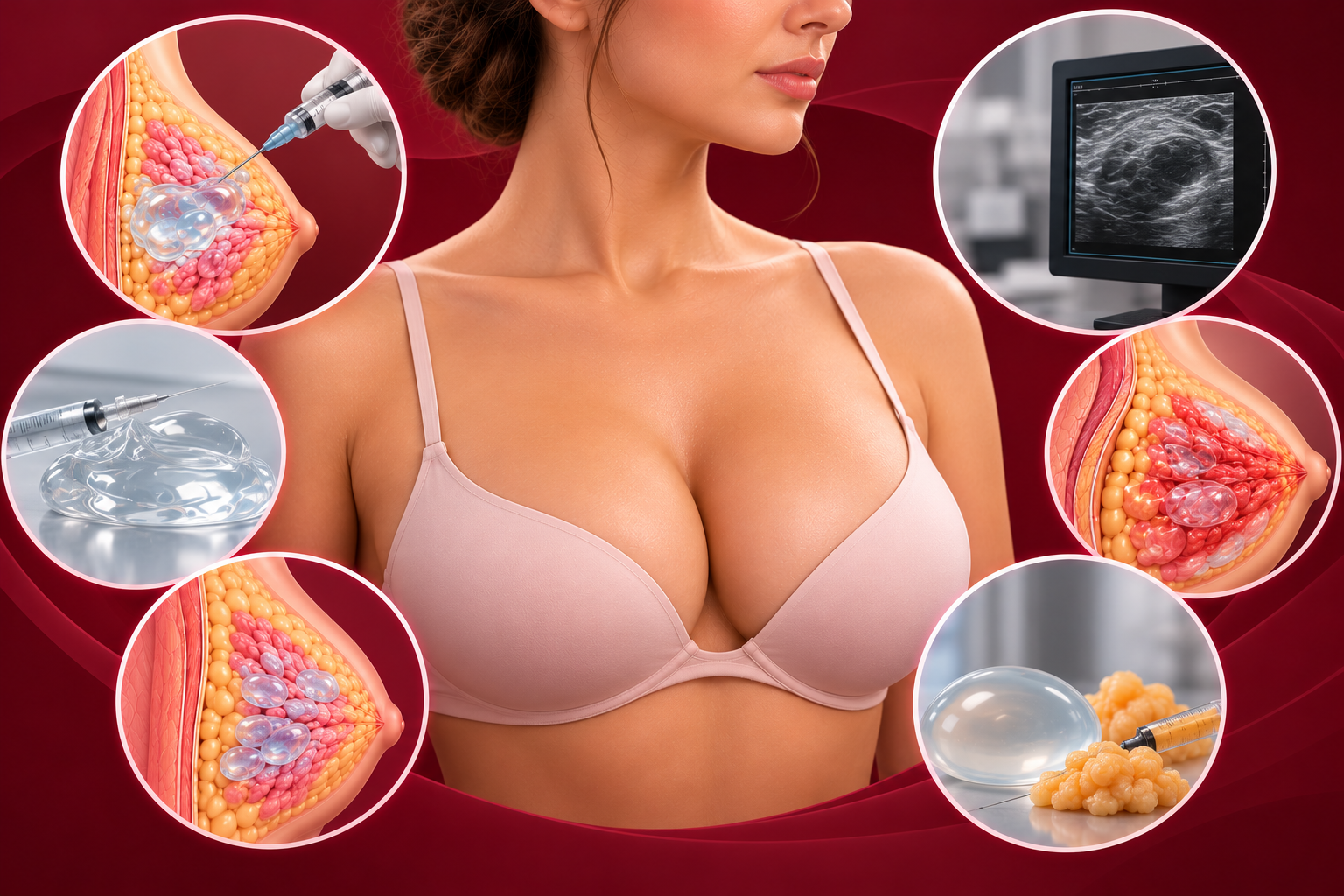
If fullness is your goal, it helps to see how options differ. This page is part of our guide to breast fillers.
The best option depends on your goals, anatomy, health, risk tolerance and willingness to have surgery. A consultation with a registered, qualified clinician can help you compare them. Be wary of any provider who presents a single option as suitable for everyone.
Compare options by evidence and long-term implications, not just by whether they involve a knife. See options compared.
Continue reading
Return to the full category guide.
Candidacy, risks and when to seek medical help.
Study findings, limitations and original publications.
The parent guide to approved uses and serious concerns.
A surgical option using your own fat.
Types, placement and long-term monitoring.