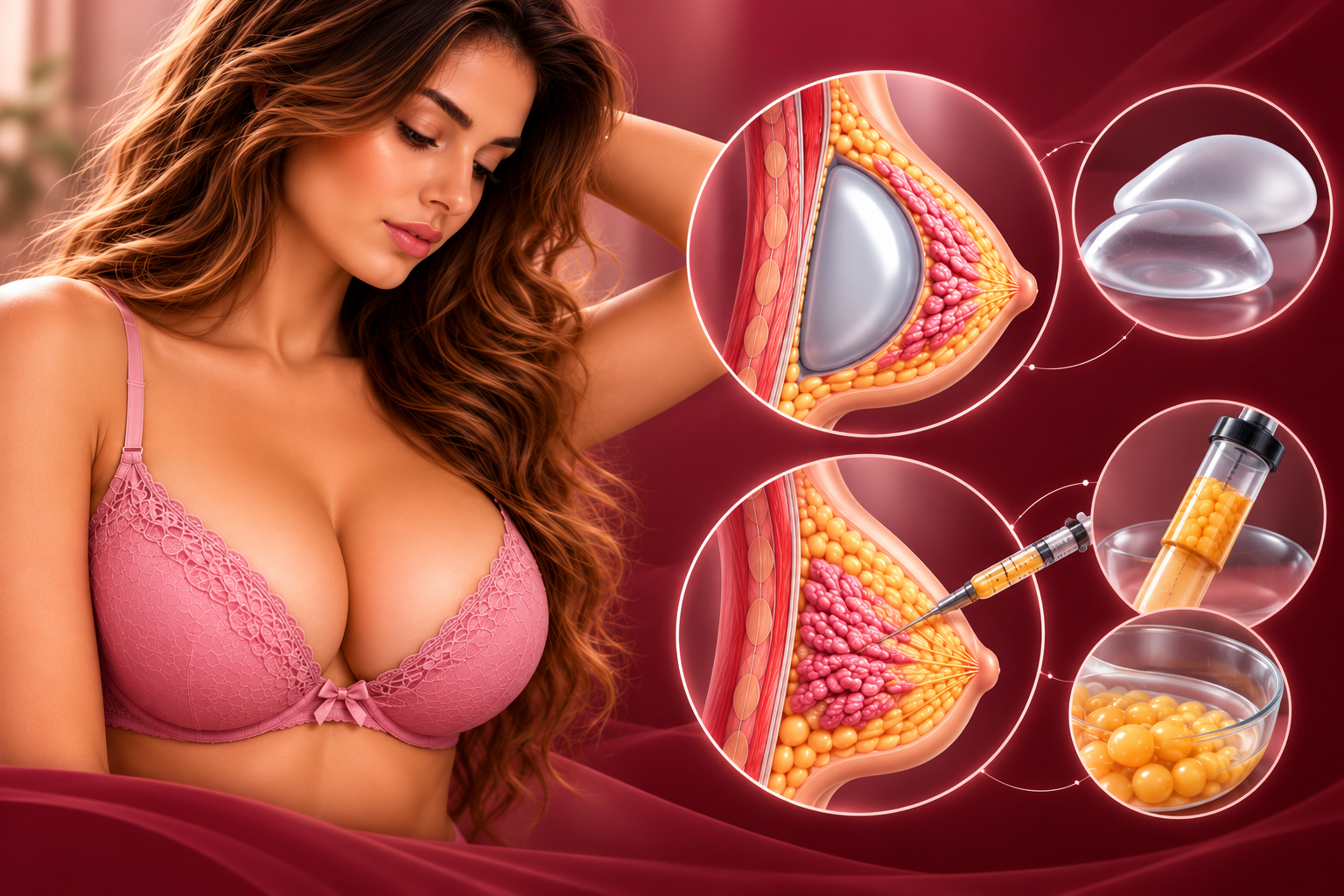
Breast Augmentation: Implants & Fat Transfer
Breast augmentation using implants or autologous fat transfer: treatment planning, preoperative assessment, recovery, risks and the possibility of revision surgery.
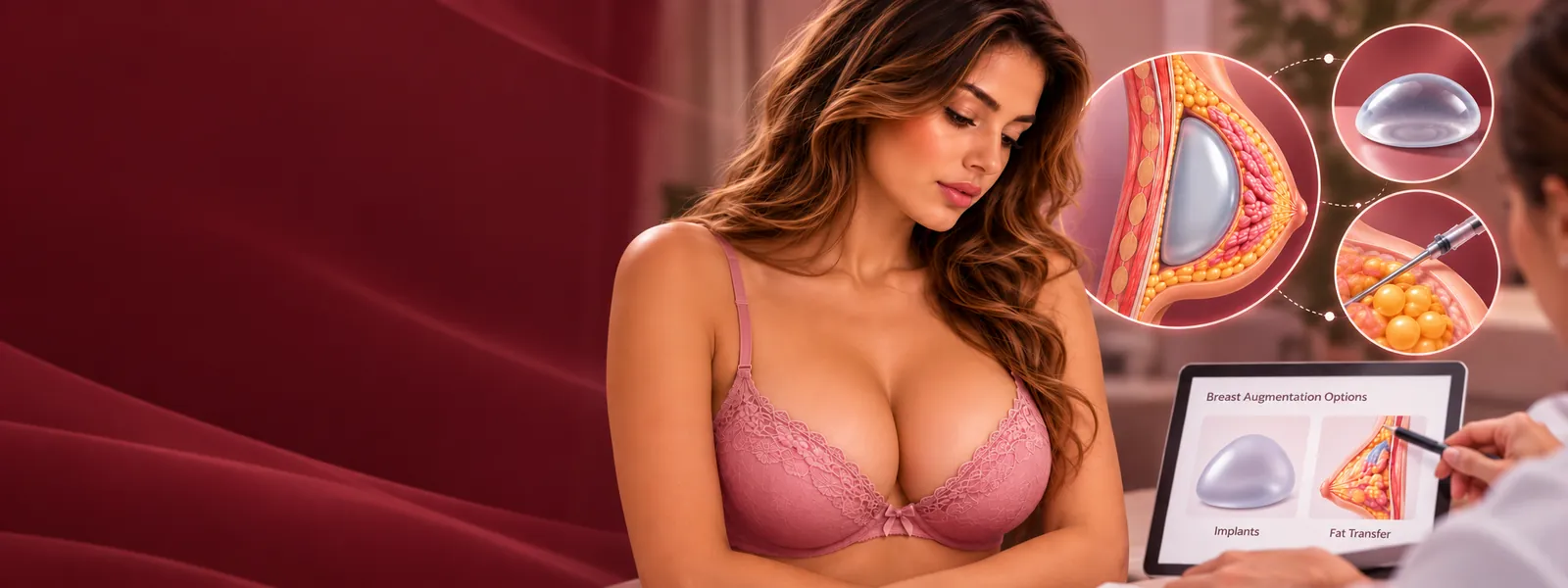
Surgical breast enlargement
Breast augmentation is a surgical option for increasing breast volume or changing breast shape. It may involve implants or, for selected people, their own fat.
People may consider it for greater fullness, a change in proportions, or restoration of volume after pregnancy or weight change.
An assessment should consider anatomy, existing breast tissue, skin characteristics, general health, lifestyle, expectations, willingness to accept surgical risks and the need for future follow-up. An appropriately credentialed surgeon should lead this assessment.
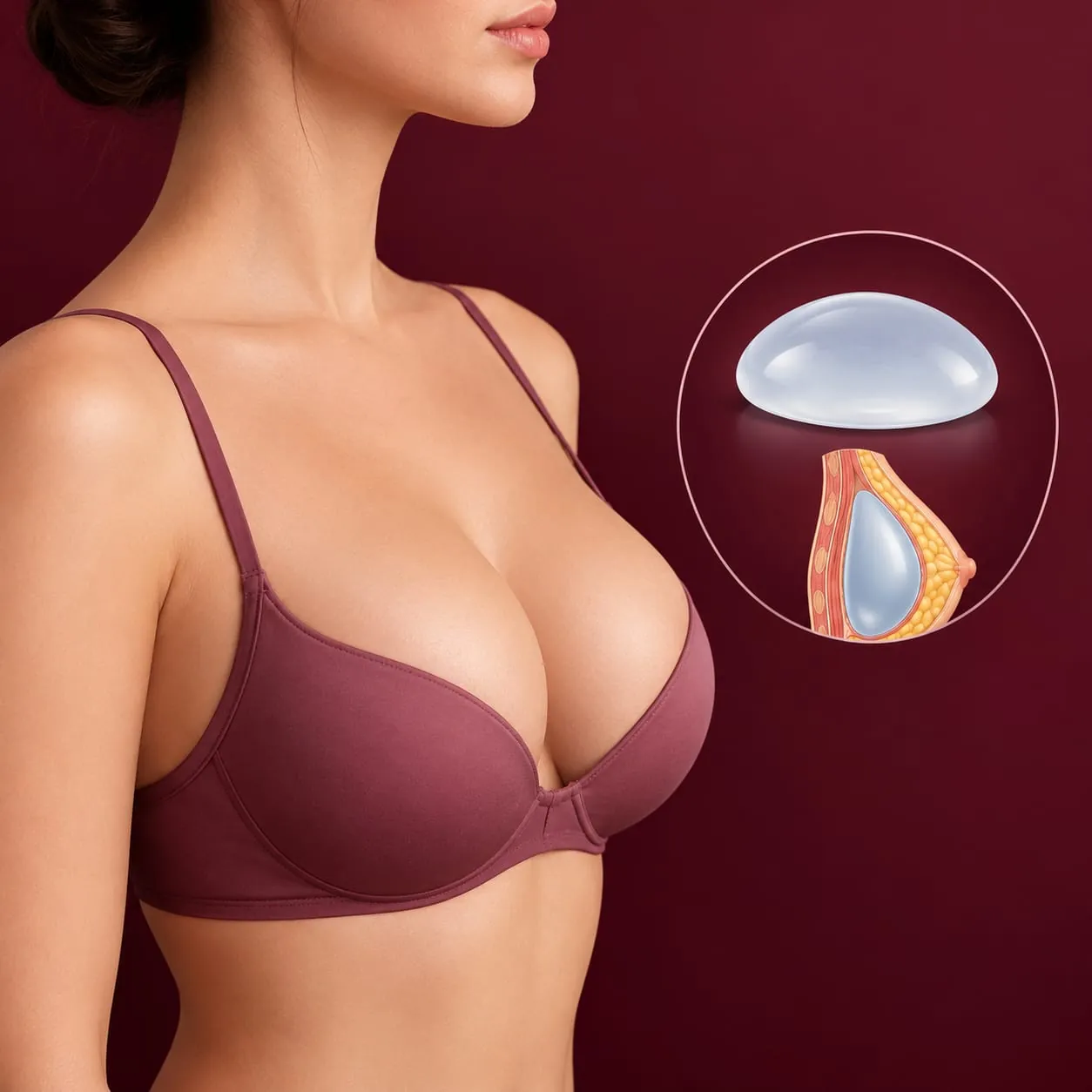
Breast augmentation using implants or autologous fat transfer: treatment planning, preoperative assessment, recovery, risks and the possibility of revision surgery.
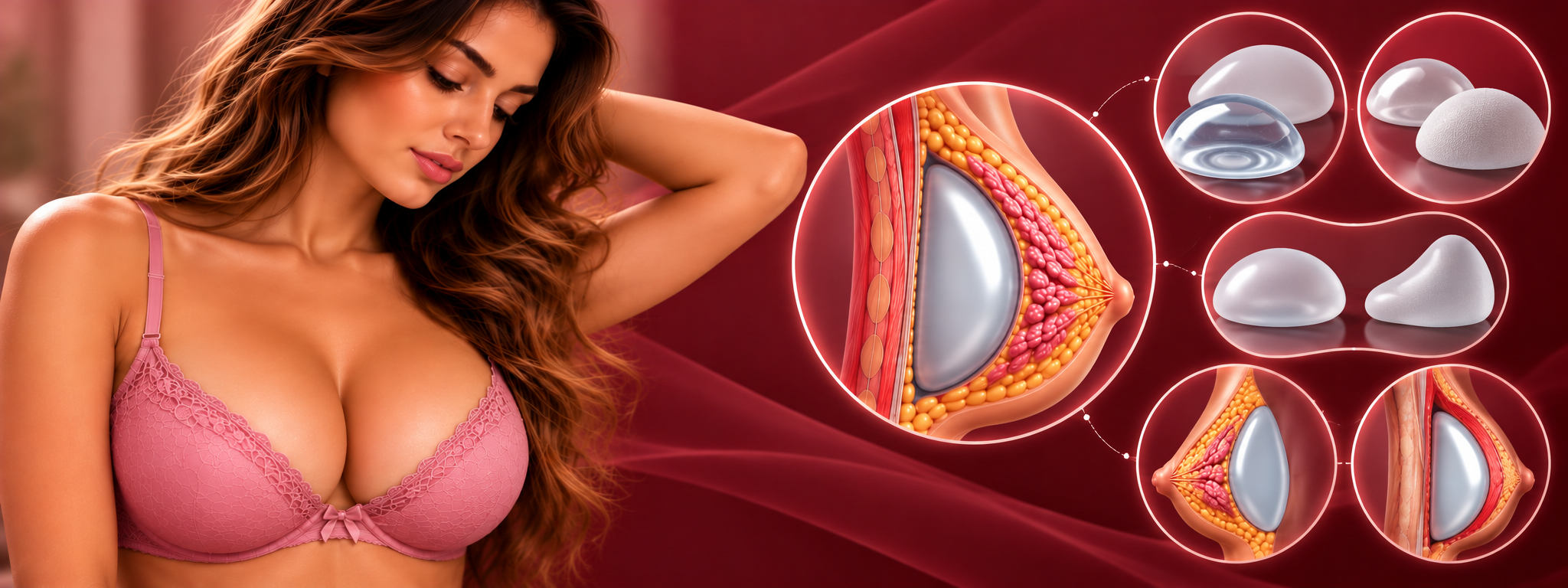
An evidence-aware guide to breast implants — saline and silicone, smooth and textured, shape and profile, placement and incisions, longevity, monitoring and the difference from injectable silicone.

What is actually known about breast implant safety — rupture and silent rupture, capsular contracture, BIA-ALCL, systemic symptoms, screening and the regulator guidance behind monitoring.

Fat transfer breast augmentation: how the procedure works, donor-site and liposuction considerations, variable fat retention, recovery and potential complications.
A lift changes shape and position; reduction removes tissue; mastectomy removes breast tissue for specific clinical or chest-contouring goals. These are not breast enlargement procedures. Revision and filler-removal surgery address previous procedures and their complications.

Breast lift (mastopexy): what it changes — sagging skin, nipple position and breast shape — how it differs from augmentation, scarring, longevity and combination options.
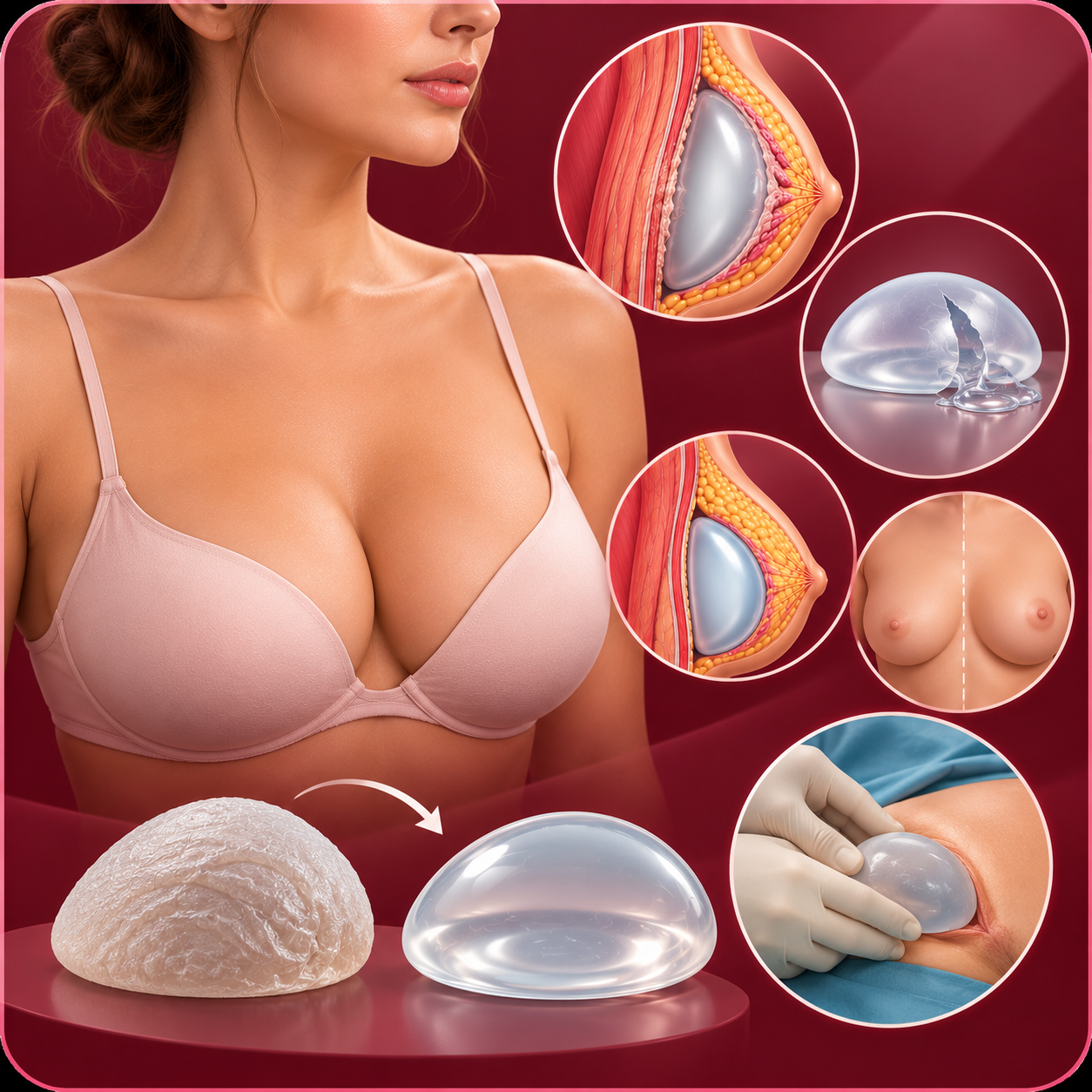
Breast revision surgery: why implants may need revision — capsular contracture, rupture, displacement, asymmetry or a change in preferences — and what revision planning involves.
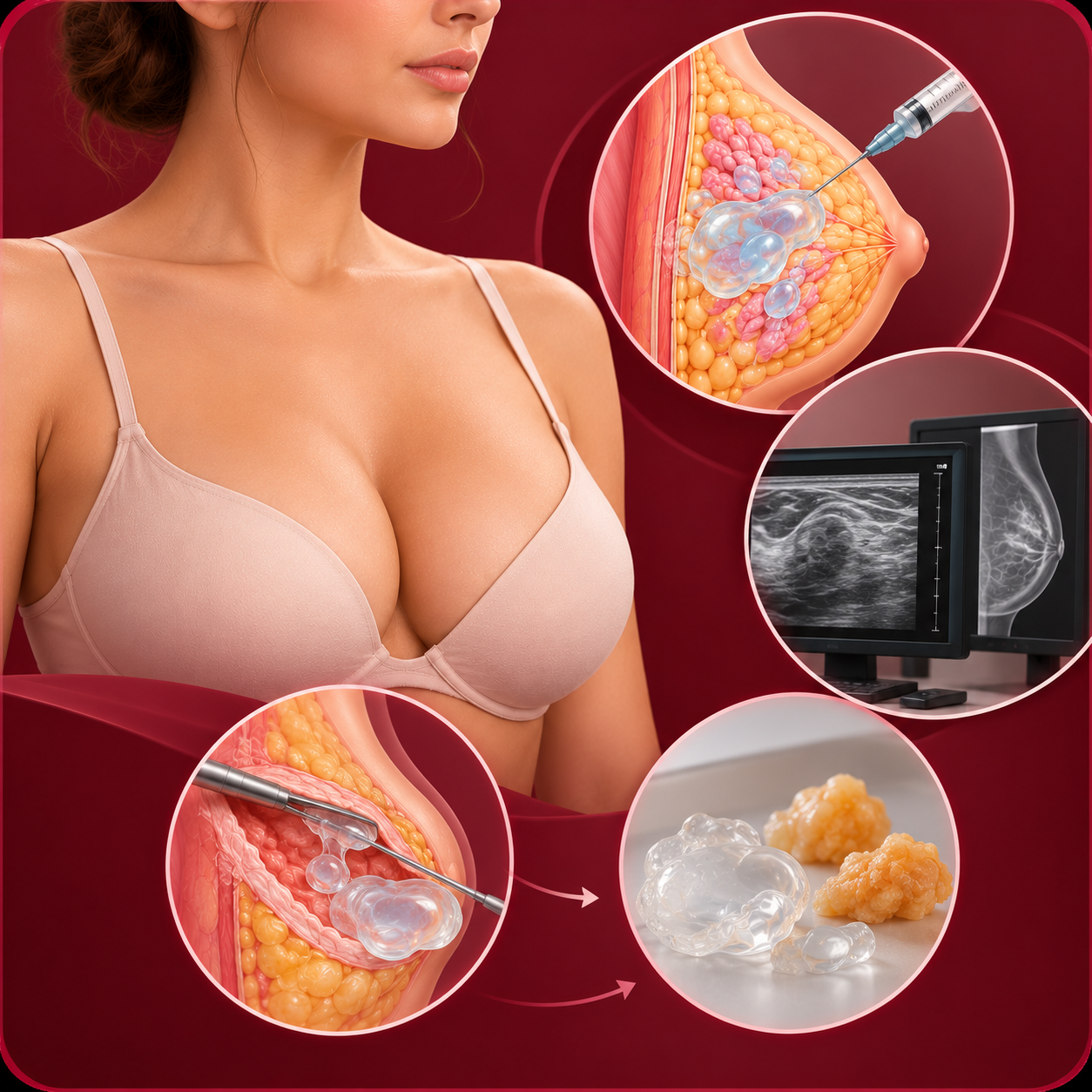
Breast filler removal: why injected fillers and liquid silicone cause complications, how removal is approached, and what to expect regarding imaging, scars and staged treatment.

Breast reduction surgery: how reducing breast volume and weight can relieve physical symptoms, what the procedure involves, scarring, recovery and factors that shape the outcome.
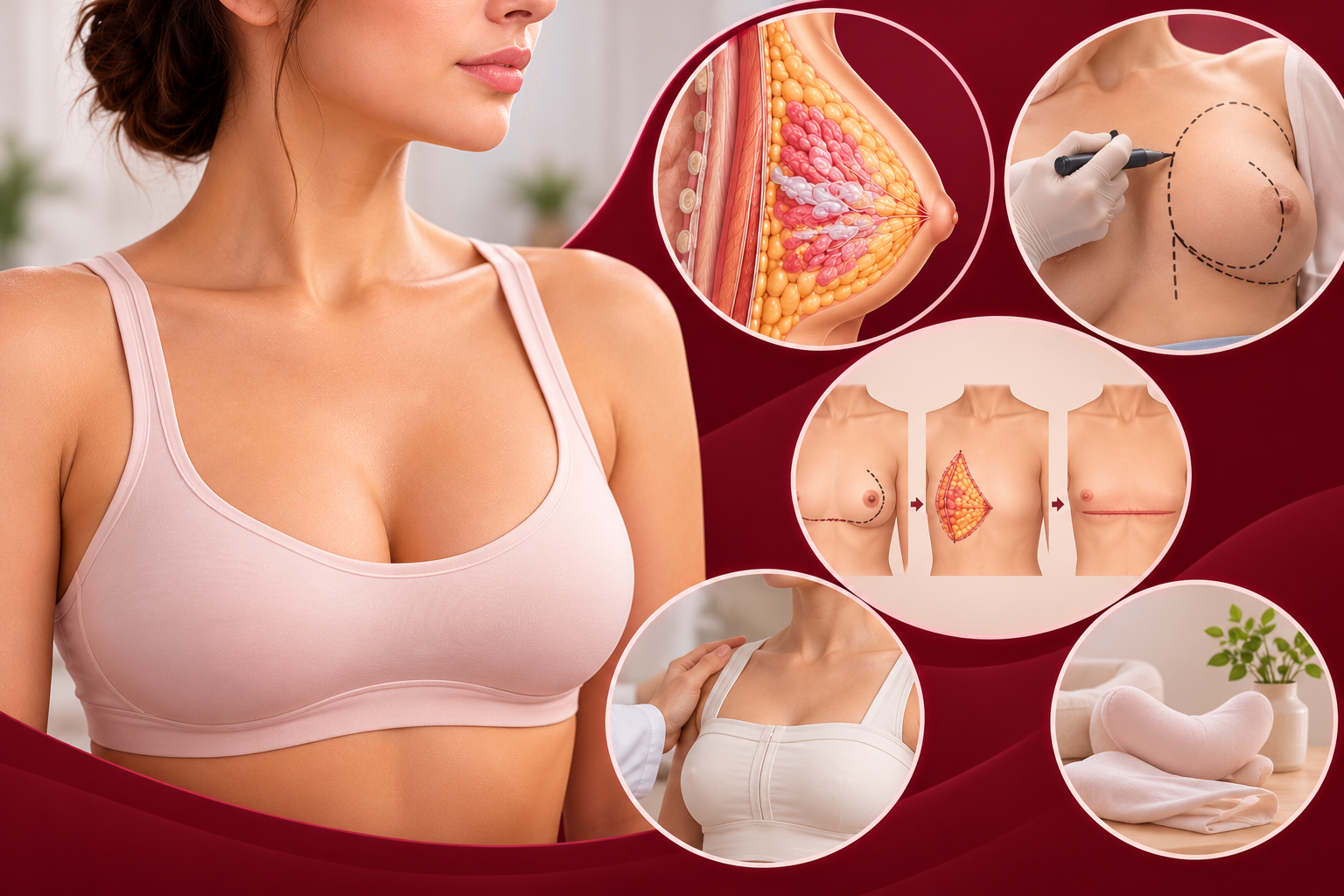
Mastectomy and chest contouring: why the surgery is performed, common surgical approaches, important considerations, recovery and questions to ask at consultation.

Understand who may be suitable for breast augmentation, who may need to wait, and the health and expectation factors a surgeon assesses.

A plain-language walkthrough of breast augmentation, from the consultation and anaesthesia to the operation, recovery and follow-up.
Compare inframammary, periareolar and armpit incisions for breast augmentation, including scarring, visibility and practical considerations.
How to prepare for breast augmentation, covering medical checks, medicines, smoking, home preparation and what to arrange for recovery.
How breast augmentation results change from the first weeks to years later, including swelling, settling, ageing and weight change.

Compare silicone gel and saline breast implants, including feel, appearance, rupture detection, monitoring and questions to ask your surgeon.
Learn how round and teardrop-shaped breast implants differ in shape, rotation risk and appearance, and which questions help you choose.

Why cup size is unreliable, how surgeons assess implant volume, and what to consider so your expectations match your anatomy.
Understand where breast implants can be placed, how each position affects appearance, recovery and complications, and what to ask your surgeon.
Breast implants are not lifetime devices. Learn what affects their lifespan, why monitoring matters and when replacement or removal may be needed.

What capsular contracture is, how it is graded, possible causes, symptoms and treatment options after breast implant surgery.
A calm, factual explanation of BIA-ALCL and breast implant illness, what is known, what is uncertain and when to talk to a doctor.

How breast implants affect mammograms and breast screening, what to tell the imaging team and why screening still matters.
How breast augmentation may affect pregnancy, breastfeeding and breast shape, and what to consider if you plan to have children.
What breast implants are made of, how they are regulated as medical devices, and why knowing the manufacturer and model matters.
How implant profile, base width and volume work together to determine how a breast implant looks, and why volume alone is a poor guide.
Why some breast implants show visible rippling or edges, who is more likely to be affected and what can reduce the risk.
How smooth and textured implant surfaces differ, why texture became a safety issue and what to ask about the surface of any implant.
Why you should keep your implant card, how registries and recalls work, and what implant warranties usually cover.
A balanced overview of the main risks of breast implant surgery, from early complications to long-term issues, and why informed consent matters.
How breast implants can rupture or leak, why silicone ruptures may go unnoticed, how they are detected and what happens next.
Why feeling in the nipple and breast can change after implant surgery, how common it is, how long it lasts and when to seek advice.
Understand infection, bleeding (haematoma) and fluid collection (seroma) after breast implant surgery, including warning signs and treatment.
Situations in which breast implants may be unsuitable or better delayed, including health, lifestyle and expectation-related factors.
Why fat survival after breast fat transfer varies, what affects it, how many sessions may be needed and how to set realistic expectations.
Understand the difference between a breast lift and augmentation, when each is used, and when they are combined.
Most people have some breast asymmetry. Learn what is normal, what causes larger differences and what options exist.
Know the symptoms after breast surgery, fat transfer or injections that need urgent medical care, and what to do next.
What patients should understand
The difference between implant-based augmentation and autologous fat transfer.
The importance of a qualified and appropriately credentialed plastic surgeon.
The need for preoperative assessment and informed consent.
Recovery requirements, scar management and follow-up.
Potential complications and the possibility of revision surgery.
Surgery cannot promise permanent outcomes, guaranteed symmetry or zero scarring.
Preparation
Come prepared to discuss your goals, health and the questions that matter most to you.

What change are you hoping for, and how would you prioritise proportion, size and shape?
Including previous surgery, medications, allergies and relevant family history.
Request the surgeon’s qualifications, registration and specific breast-procedure experience.
Discuss technique, expected limitations, recovery, costs and potential revision.
Proceed only when you understand the risks, alternatives and aftercare, and feel ready to consent.
Surgery is not appropriate for everyone and cannot promise permanent outcomes, guaranteed symmetry, zero scarring or a risk-free result. Individual suitability, risks and outcomes vary and require assessment by an appropriately qualified clinician.