Non-Surgical Breast Enlargement
Return to the full category guide.
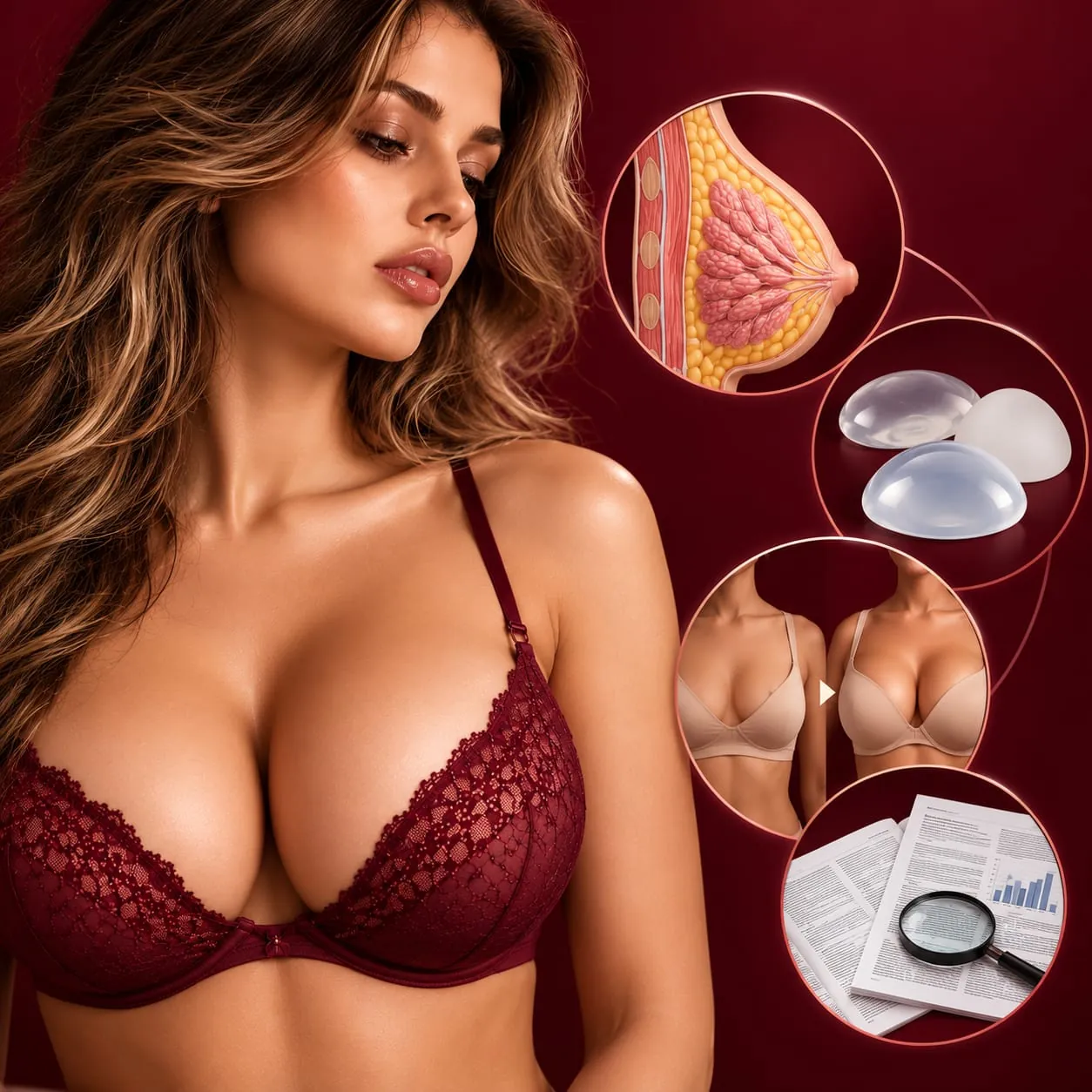
Because PRP uses your own blood, people often assume it is risk-free. It is lower risk than some products in terms of allergy, but it is still an injection procedure. This page is part of our guide to PRP and breast enhancement.
People with bleeding or platelet disorders, active infection, blood cancers, those on blood thinners, and pregnant or breastfeeding people should talk to their doctor before PRP.
A safe clinic will:
PRP itself is not known to cause lasting changes on mammograms, but any injected treatment should be mentioned to imaging teams.
PRP is often sold in packages of sessions. Ask about the evidence for repeated treatment before paying in advance. See breast enlargement safety for wider checks.
"Your own blood" does not mean no risk. Look for medical standards and honest explanations.
Continue reading
Return to the full category guide.
Candidacy, risks and when to seek medical help.
Study findings, limitations and original publications.
The parent guide to evidence and claims.
How it is prepared and why methods vary.