Non-Surgical Breast Enlargement
Return to the full category guide.
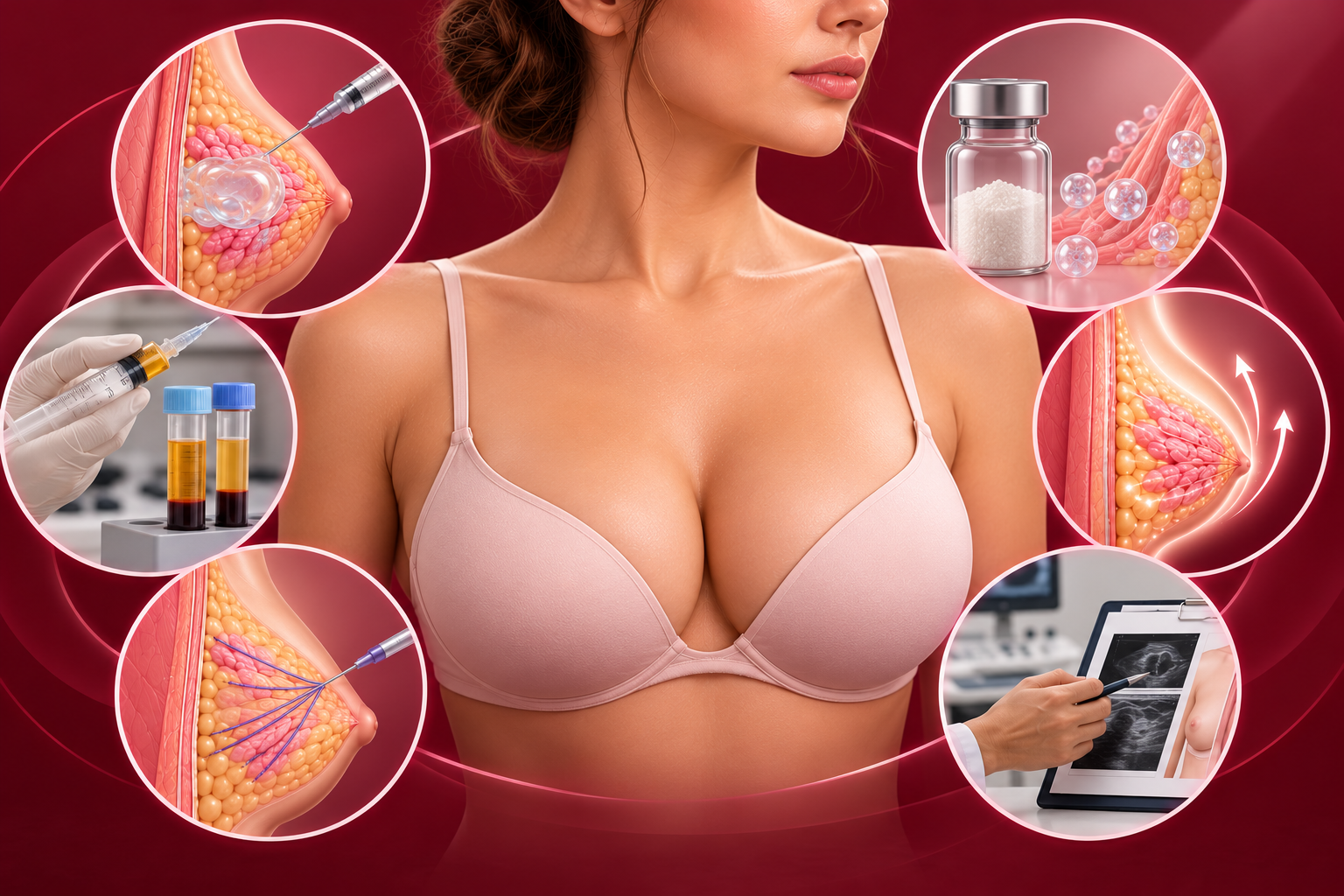
Many non-surgical breast treatments use products approved for something else. Knowing the difference helps you ask better questions. This page is part of our guide to non-surgical breast enhancement.
Regulators assess a product for a specific purpose, in a specific body area, using specific evidence of safety and performance. Approval is tied to that intended use.
Terms differ by country. In some systems a product is "approved" after detailed review; in others it is "cleared" as similar to an existing device, or simply "registered". These carry different levels of scrutiny. In India, medical devices fall under the Medical Devices Rules overseen by the CDSCO; ask which category and registration applies to the exact product and verify it independently.
Doctors may legally use some products for purposes other than those approved, when they judge it appropriate. Off-label does not automatically mean unsafe, but it means the specific use has not been reviewed by the regulator, so evidence of safety and benefit may be limited.
A filler approved for lips or cheeks has not been shown safe or effective in the breast. A thread cleared as a suture has not necessarily been shown to enlarge or lift the breast. A product being approved "in the country" does not tell you for what. Read more about breast fillers and breast threads.
Approval is specific to a purpose. Ask what the product is approved for, not just whether it is approved.
Continue reading
Return to the full category guide.
Candidacy, risks and when to seek medical help.
Study findings, limitations and original publications.
The parent guide to individual treatments and limits.
Why facial approval does not cover breast use.
How suture products are used outside their usual purpose.