Surgical Breast Enlargement
Return to the full category guide.
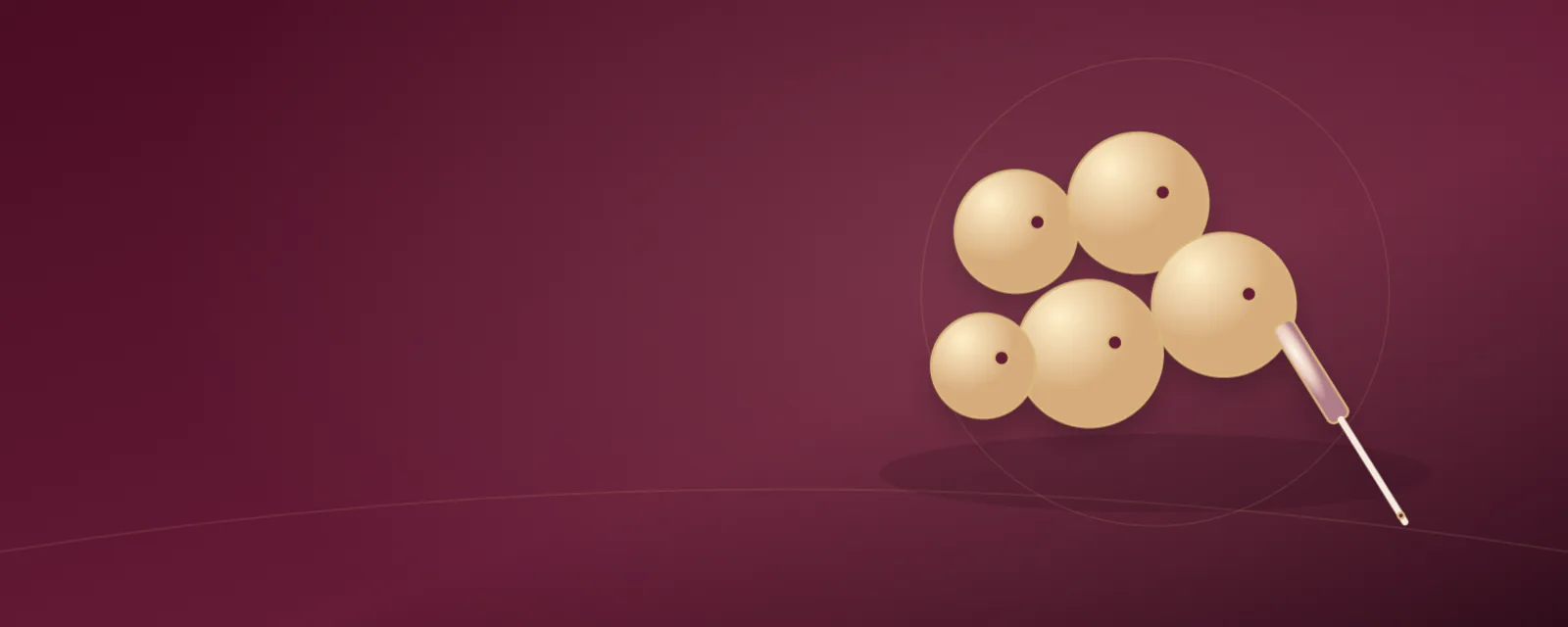
After fat transfer, some people notice firm areas or lumps. Many are harmless, but every new lump should be assessed rather than assumed to be a normal effect of surgery.
Fat necrosis happens when injected fat does not get enough blood supply and its cells die. This can form firm, sometimes tender lumps. It is a recognised complication of fat grafting, not evidence that the procedure has failed.
As fat breaks down, it can leave fluid-filled pockets called oil cysts. They may feel like smooth, soft or firm lumps and can change over time.
Over time, areas of damaged fat can harden with calcium deposits. These may show on mammograms. Radiologists can often tell benign patterns from concerning ones, but sometimes further tests are needed.
Frequency varies with technique, the volume injected and individual factors. Ask your surgeon about their own rates and how they manage these problems.
A lump after fat transfer is not automatically fat necrosis. It can also be something unrelated, including breast cancer. A clinician may use examination, ultrasound, mammography, MRI or biopsy to find out.
Fat necrosis can feel firm, irregular or tender; an oil cyst may feel smooth and round. These descriptions overlap with other breast conditions, so how a lump feels cannot confirm the cause.
Mammograms and ultrasound may show calcifications or cysts related to the graft. Radiologists compare the pattern with your surgical history, which is why accurate records and a clear explanation of the procedure are useful.
Many areas need only monitoring. Painful or concerning lumps may be aspirated or removed. Treatment depends on the diagnosis, not on the appearance alone.
Surgeons aim to inject small amounts in several layers and avoid overfilling. No technique removes the risk entirely.
Contact a clinician promptly for a rapidly enlarging area, significant redness, fever, discharge, a marked skin change or pain that is getting worse. A new breast or armpit lump deserves assessment even years after transfer, whether or not you recently had imaging.
Lumps after fat transfer are a known issue, but they should always be checked. See Breast Enlargement Safety.
Continue reading
Return to the full category guide.
Candidacy, risks and when to seek medical help.
Study findings, limitations and original publications.
The parent guide to the procedure and recovery.
When a symptom needs urgent attention.