Surgical Breast Enlargement
Return to the full category guide.
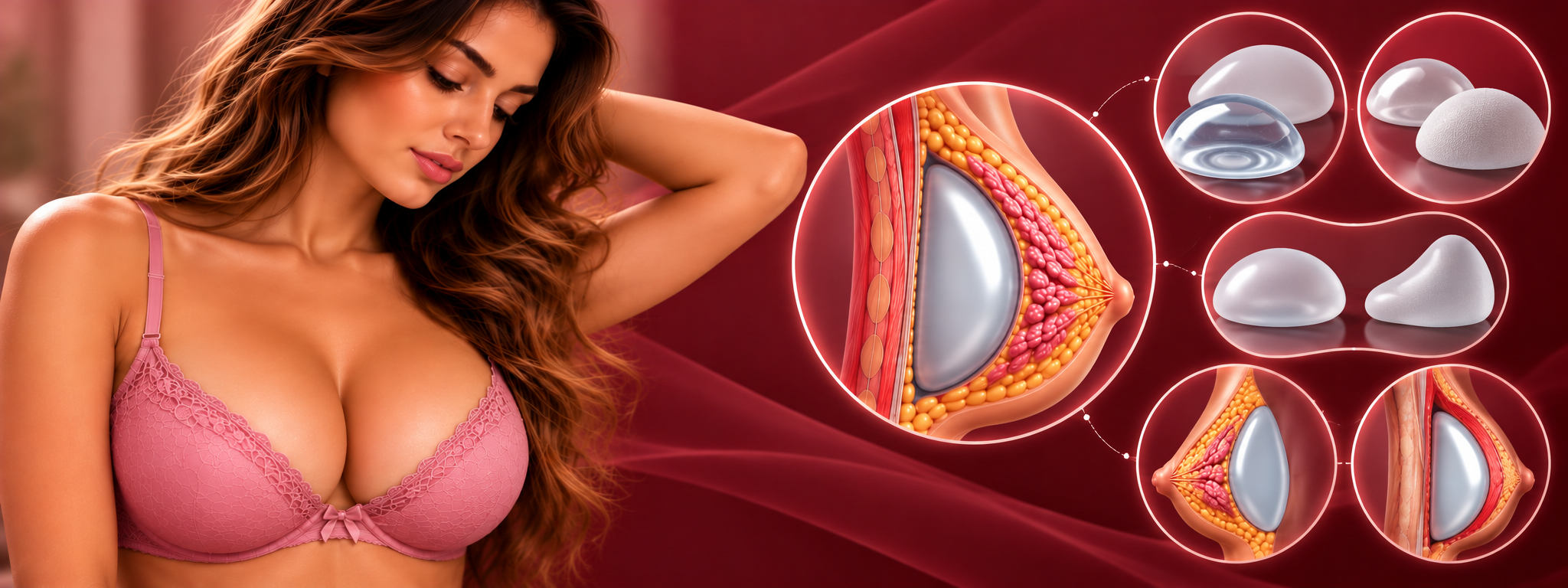
Visible or palpable rippling is one of the more common cosmetic concerns after augmentation. It is more likely in some bodies and with some implant choices than others.
Rippling is most often noticed on the sides and lower part of the breast, and when leaning forward or standing. It may be felt rather than seen.
If you are very lean or have little breast tissue, discuss whether implants are the right option at all. Fat transfer or a different approach may be more suitable in selected cases.
Rippling alone is usually cosmetic, but a new ridge with pain, a change in shape or a lump should be assessed. If the implant feels different or the breast becomes firm, your surgeon may check for rupture or capsular contracture. Do not assume every new change is rippling.
Mild rippling may be acceptable. If it bothers you, options include changing the implant, adjusting placement or adding soft-tissue cover. Each has trade-offs and should be discussed with a surgeon. See breast revision. Revision is not guaranteed to remove rippling completely, especially if your tissue is thin, so ask what improvement is realistic before agreeing to another operation.
Honest assessment of your tissue before surgery is the best protection against visible implants. See the breast implants guide.
Before publication: qualified clinician review and current Indian regulatory verification, where relevant, are required. Sources: FDA: Breast Implants · CDSCO: Medical Device & Diagnostics.
Continue reading
Return to the full category guide.
Candidacy, risks and when to seek medical help.
Study findings, limitations and original publications.
Types, surfaces and placement.
How the pocket affects coverage and visibility.
Options when rippling bothers you.