Non-Surgical Breast Enlargement
Return to the full category guide.
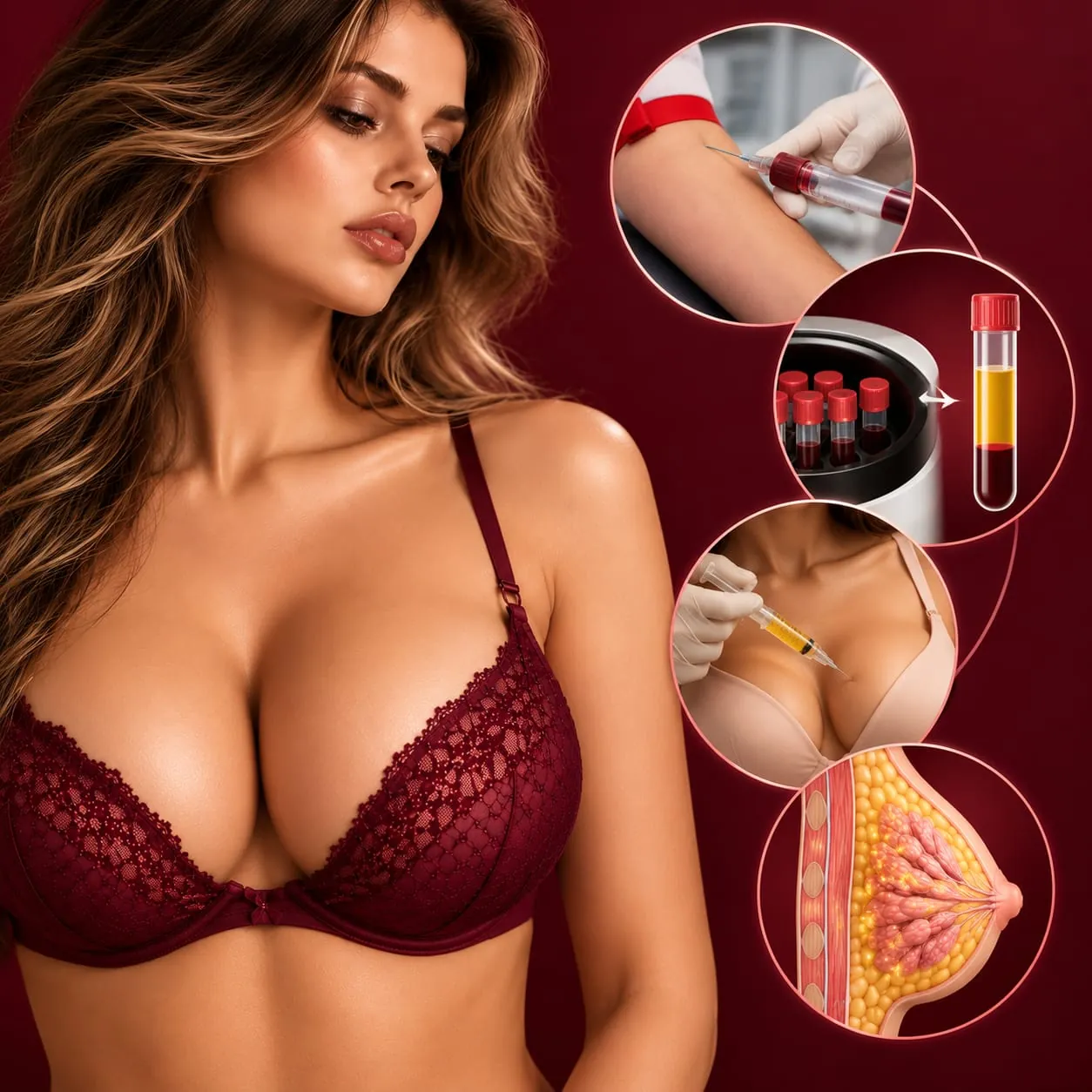
Procedures vary between providers, and because breast use is not an established, standardised treatment, there is no single agreed method. This page describes what is commonly reported. It is part of our guide to breast thread procedures.
A clinician should take a medical history, examine your breasts and discuss goals, risks and alternatives. Medical conditions, bleeding tendency, skin infections and allergies matter.
Bruising, swelling, tenderness, tightness and small puncture marks are common. Some people feel the threads or notice pulling when they move.
Providers commonly advise:
Follow the specific instructions you receive.
Absorbable threads dissolve over months. Any effect related to the thread itself is expected to fade as it is absorbed, although some providers claim collagen effects last longer. Published breast data are limited.
Fever, spreading redness, severe pain, discharge, a thread poking through the skin, skin dimpling or a new lump. Read our safety and warning signs page.
Ask for a clear written explanation of the procedure and aftercare before you agree.
Continue reading
Return to the full category guide.
Candidacy, risks and when to seek medical help.
Study findings, limitations and original publications.
The parent guide to evidence and limitations.
Complications and how they may be managed.
How smooth-thread sessions are typically described.