Non-Surgical Breast Enlargement
Return to the full category guide.
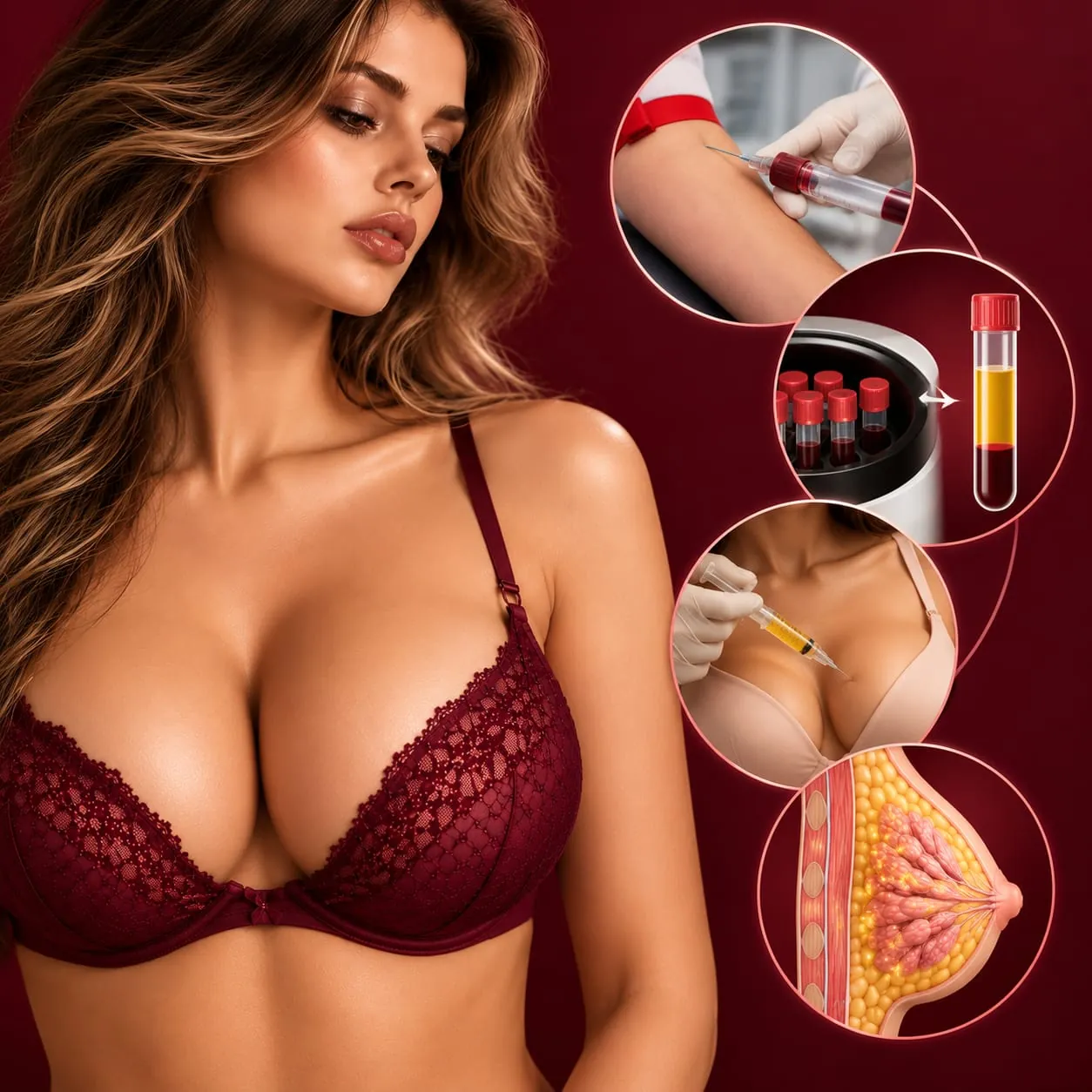
The approach differs between providers. Always follow the instructions you receive. This page is part of our guide to mono threads.
A qualified clinician should check your history, examine the area and explain risks, alternatives and limits. You should receive written consent information and time to decide.
Tiny puncture marks, redness, mild swelling and bruising are common. Some people feel small lumps or the threads under the skin.
Typical advice includes:
PDO threads are absorbed over several months. Providers may suggest repeating treatment. Evidence on how long any skin benefit lasts is limited, and results vary.
Repeating adds cost and cumulative risk. Ask how many sessions are suggested and what you can expect at each stage.
You develop fever, increasing pain, redness, discharge, firm lumps or thread coming through skin. See breast enlargement safety for urgent warning signs.
Ask for a written plan including repeat treatments, costs and complications.
Continue reading
Return to the full category guide.
Candidacy, risks and when to seek medical help.
Study findings, limitations and original publications.
The parent guide to evidence and safety.
Who may be at higher risk and what to ask.
How cog-thread sessions are typically described.