Non-Surgical Breast Enlargement
Return to the full category guide.
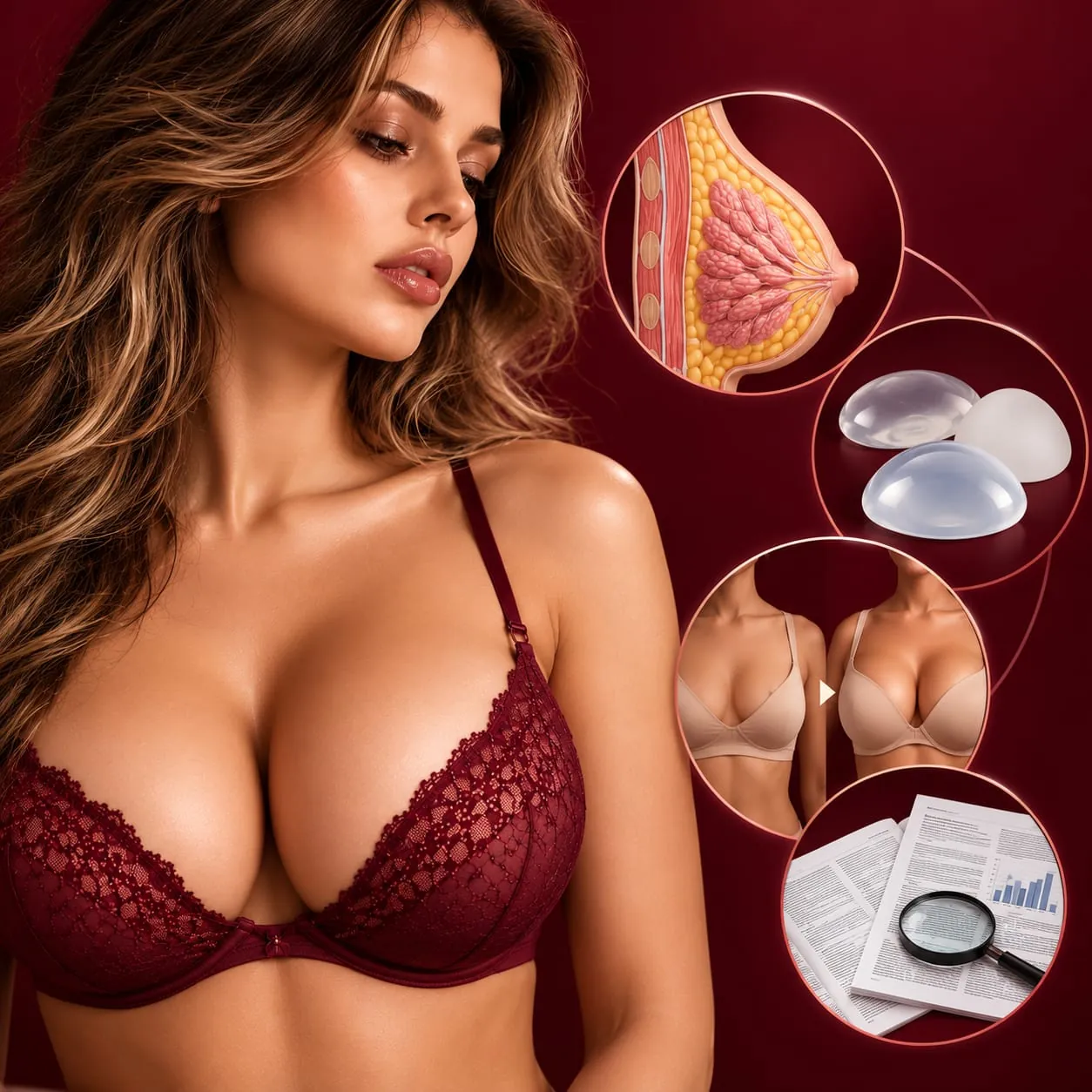
Some surgeons add PRP to fat transfer, hoping it improves how much fat survives. This is a surgical adjunct, not a stand-alone enlargement method. This page is part of our guide to PRP and breast enhancement.
Transferred fat needs a blood supply to survive. Growth factors in PRP might support new blood vessel growth and cell survival, which could improve retention.
Studies on PRP with fat grafting, mostly in different body areas and in small series, report mixed results. Some suggest better graft survival; others find no clear advantage. Methods differ in how PRP is prepared and used, so results are hard to compare.
Adding PRP does not remove the risks of fat transfer, such as lumps, oil cysts and calcifications. Whether PRP changes that risk is not established. Read more about fat transfer breast augmentation.
If a surgeon suggests PRP with fat transfer, ask why, and treat it as an optional addition with uncertain benefit, not a guarantee of better results. Consider whether any extra cost is justified.
PRP with fat transfer is a developing area with uncertain benefit.
Continue reading
Return to the full category guide.
Candidacy, risks and when to seek medical help.
Study findings, limitations and original publications.
The parent guide to the evidence and claims.
How fat grafting works and what it can achieve.
How to judge a promised improvement in fat survival.